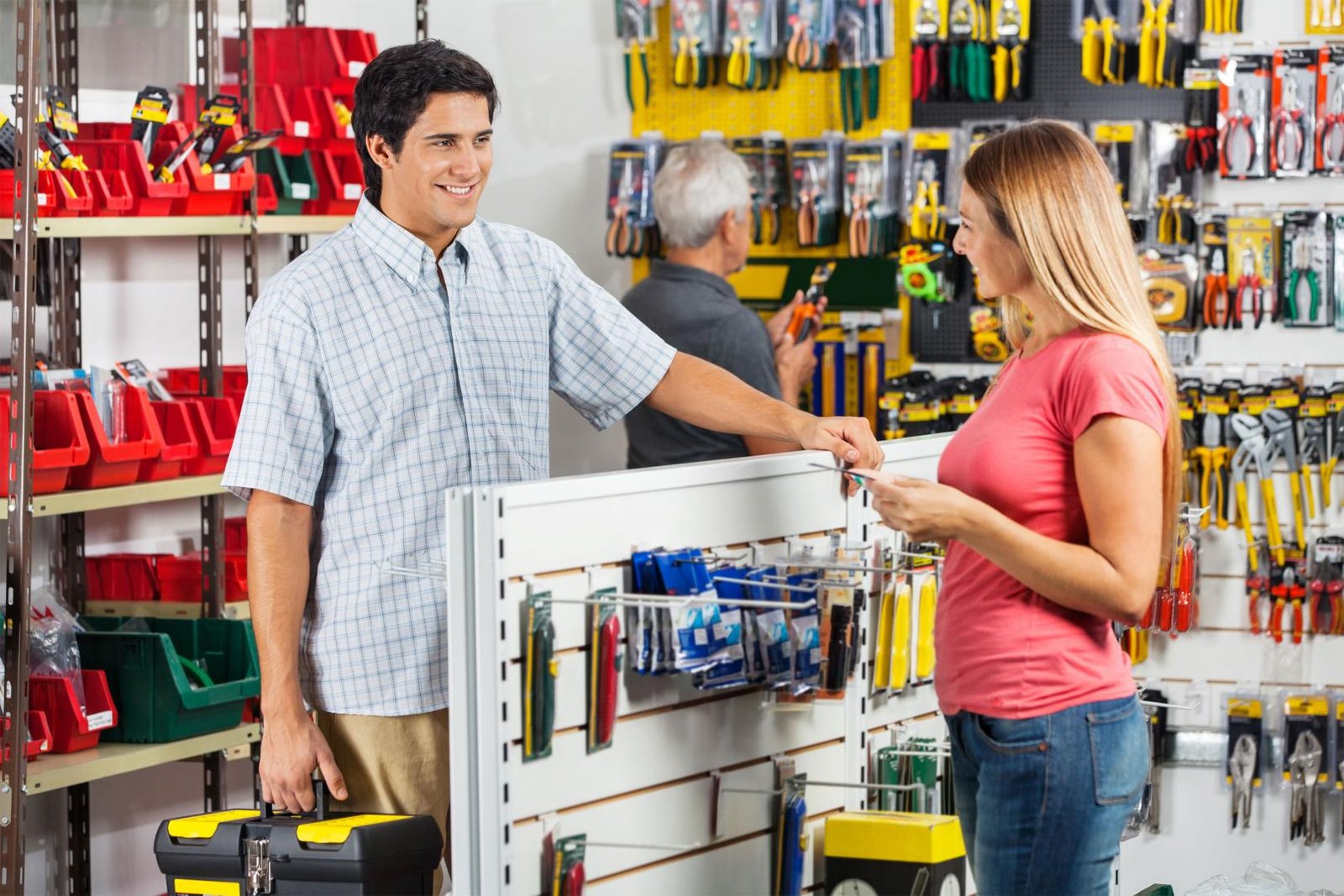
If you run a hardware store then your employees will have to lift heavy materials, use sharp tools, move inventory, manage deliveries and equipment. These assignments have actual workplace hazards — making Workers’ Compensation Insurance important and compulsory in nearly all states.
In this guide, we will discuss what Workers’ Comp costs for hardware stores, what drives those costs up (or down), and how you can keep your workers and your company safe with the right coverage.
What Is Workers’ Compensation Insurance?
Workers’ Compensation Insurance protects your hardware store employees if they experience a work-related injury or illness. Whether an employee strains their back lifting a heavy box, slips in an aisle, or gets cut while using a tool, Workers’ Comp covers:
Medical expenses
Lost wages
Disability benefits
Rehabilitation costs
Legal expenses (if an employee files a claim)
It protects your workers—and shields your hardware store from expensive lawsuits.
Business Owner’s Policy (BOP)
A Business Owner’s Policy combines three essential protections into one affordable package:
General Liability Insurance
Commercial Property Insurance
Business Interruption Insurance
For hardware store owners, a BOP reduces the cost of insuring your building, inventory, equipment, and day-to-day operations. Since Workers’ Compensation is usually purchased separately, many store owners bundle both to maximize savings.
General Liability Insurance
General Liability Insurance protects your hardware store against:
Customer slip-and-fall injuries
Accidental property damage
Lawsuits involving customer injuries
Product-related claims
Because hardware stores carry sharp tools, heavy inventory, power equipment, and high foot traffic, liability risks are significant. General Liability is not only essential—it’s often contractually required by landlords.
Workers’ Compensation Insurance
Hardware stores involve daily physical activity—lifting boxes, handling tools, and moving heavy equipment. This makes employee injuries more likely.
The most essential policies include a Business Owner’s Policy (BOP), General Liability Insurance, Workers’ Compensation, and Commercial Property Insurance.
Hardware stores involve heavy lifting, sharp tools, and machinery, increasing injury risks. Workers’ Comp covers employee medical bills, lost wages, and protects your business from lawsuits.